Title of the document All donations are exempted from tax deduction under 80G Act of Income Tax

Skill Oriented Self-Employment Trainings

Skill Oriented Self-Employment Trainings

Tailoring

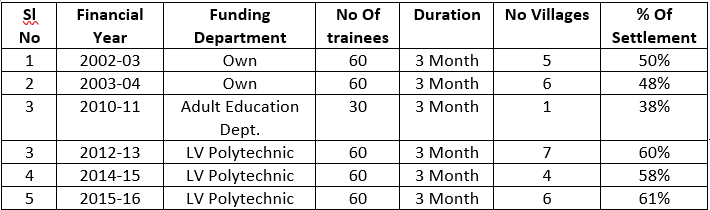
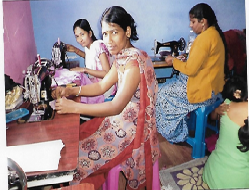
The organization conducted women’s tailoring programs lasting 3 to 6 months. Each batch included 30 women members from 8–10 villages across different SHGs, completing a total of 15 batches. Many participants established self-employment ventures and now contribute to their family income. Around 10 women started their own garment production, while others secured employment opportunities in existing garment industries.

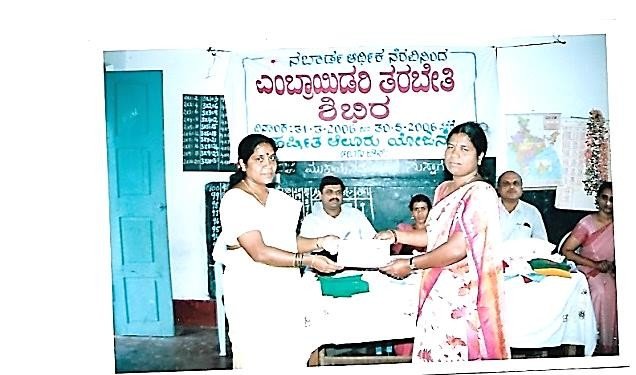
The organization conducted Hand Embroidery Training programs for 60 SHG women members in Alur and Holenarsipura taluks, where such skills were previously unavailable. We approached the Backward Class Minority (BCM) department and NABARD, who sanctioned and supported the program.

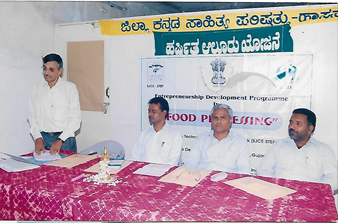
“The organization conducted Food Processing Training programs for rural women to enhance the quality of nutritious foods using locally available products. The program was financially supported by Sri Jayachamarajendra College, Mysuru (STEP), to promote marketable products and self-employment opportunities. Two batches were organized, training a total of 60 women, with each batch lasting one month.

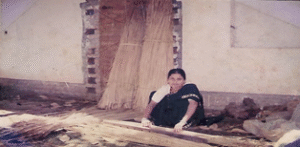
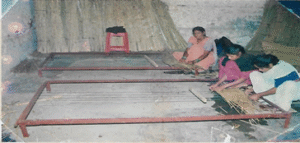
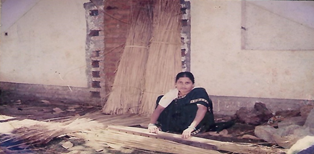
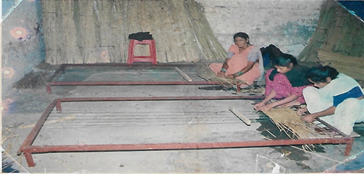
NABARD provided financial support to 30 women from various SHGs to conduct a Stick Mat Weaving program over a period of 3 months. The participants harvested mat sticks from local riversides for 12 days, followed by drying, grinding, and weaving processes that lasted 2½ months. With the support of a bank credit tie-up system, all 30 members established mat production units equipped with steel looms and woollen poles. The women successfully produced and marketed mats in their villages and during weekly markets (santhe) for nearly 3 years, but the activity was discontinued due to the non-availability of raw sticks.

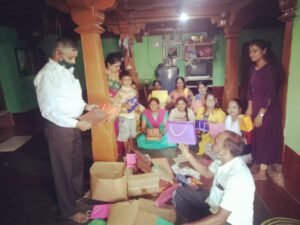
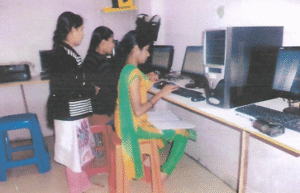
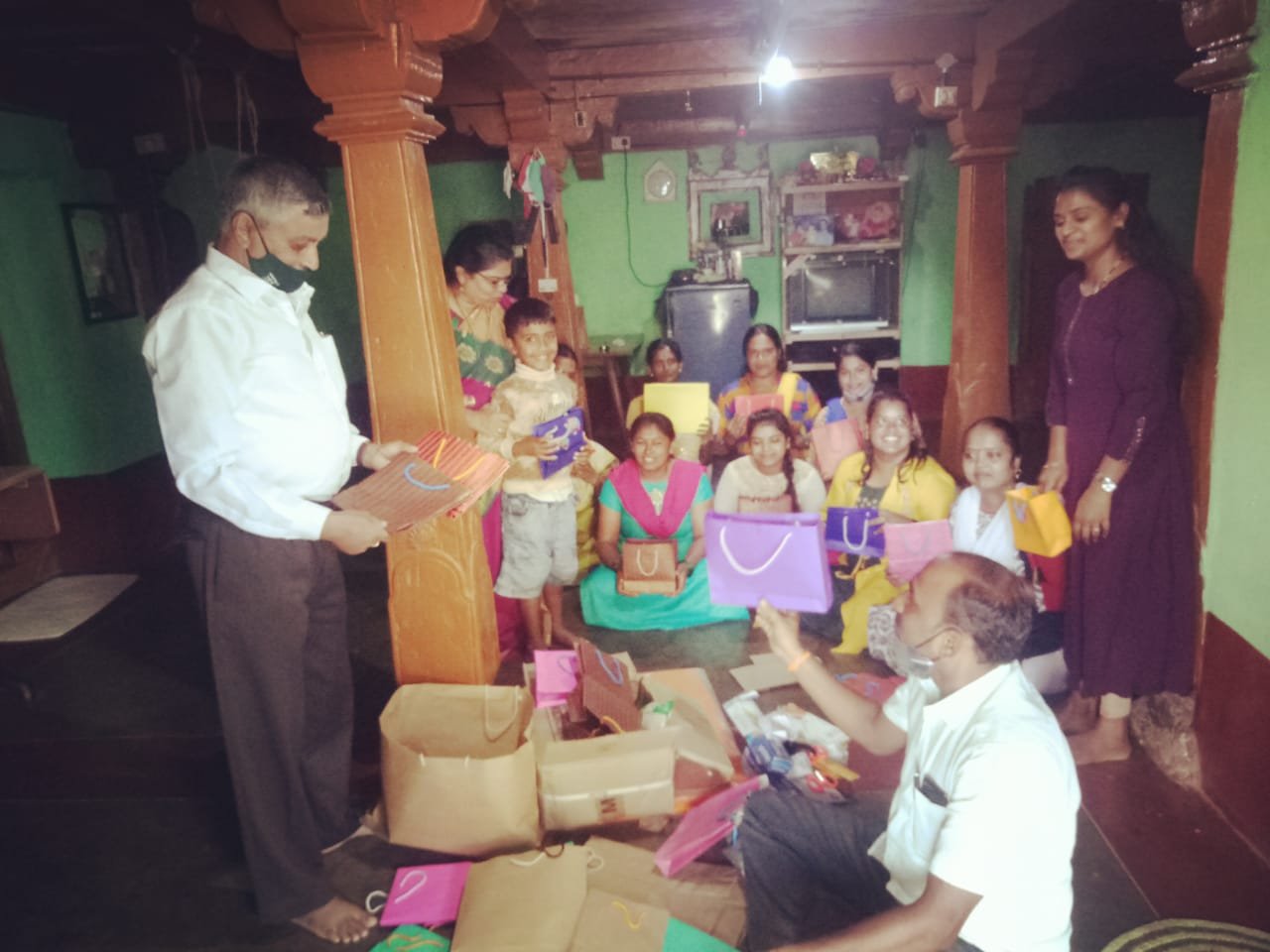
The organization conducted three batches of Paper Bag Training programs sanctioned by NABARD. Although the program was delayed due to the COVID-19 pandemic, it resumed after receiving necessary approvals and by strictly following safety protocols such as sanitization, mask-wearing, and social distancing. The sessions were led by experts and included REDP classes, along with hands-on training in the art and skill of paper bag manufacturing.

Participants began with newspaper bags to hone their skills, gradually progressing to brown paper and then to colored papers. As per NABARD norms, each participant received a kit containing scissors, cutters, hole punch, colored papers, tags, and gum. They were trained to make bags of different types, styles, and sizes and were encouraged to set up their own units to generate additional family income.

An exposure visit was organized on 29/08/2020 to the Aralagupe Women Technology Park in Tiptur block, Tumkur District. Here, participants observed various income-generating activities such as paper and cloth bag making, areca leaf plate production, greenhouse farming, ragi-based products, and solar-based vegetable drying managed by SHG members (Manini Mahila Swasahaya Sangha).

To support sustainability, the trainees were connected with banks such as Canara, Vijaya, SBI, and NABFINS for credit support. Out of 39 participants, many availed bank credit to expand their units. Inspired by the exposure trip, trainees collectively invested ₹39,000 to purchase raw materials from Bengaluru and started their paper bag production units.

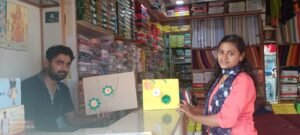
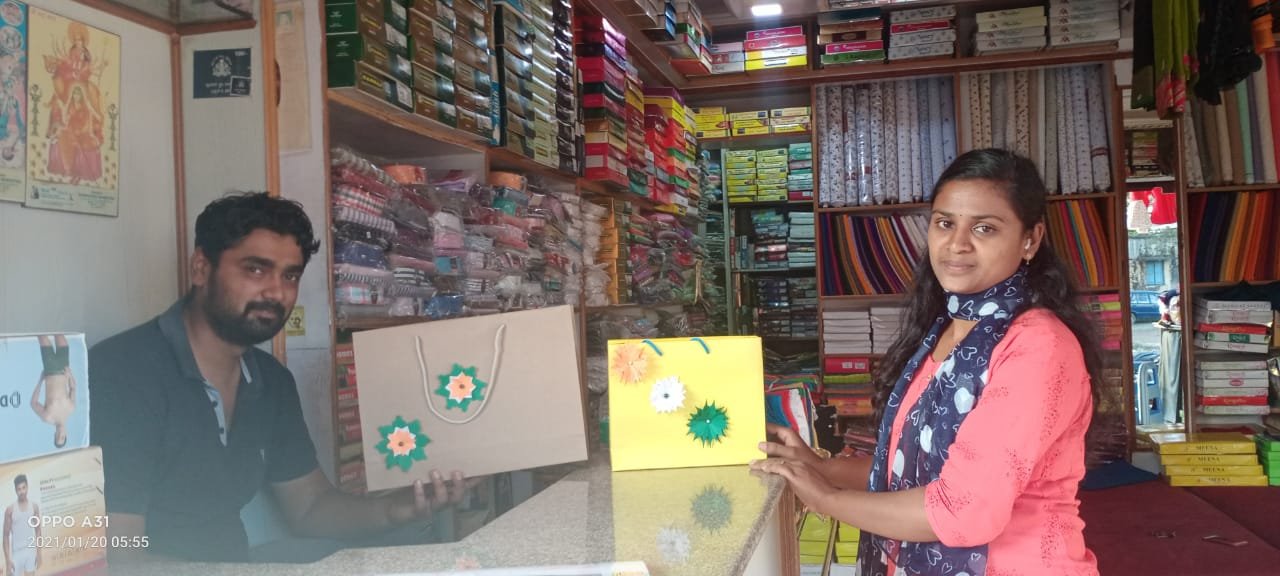
They approached local markets—including cloth stores, saree shops, kidswear outlets, shoe showrooms, bakeries, and mobile shops—to supply paper bags of various sizes, colors, and designs. Initially, many shopkeepers were reluctant to purchase due to higher costs compared to plastic bags. However, some trainees successfully supplied to their own general stores and partnered with other businesses. Over time, they established tie-ups with Mudra Bag Mart for wholesale delivery.

Currently, all trainees are regularly producing both paper and cloth bags, successfully repaying their bank loans, and earning an average monthly income of ₹2,000 to ₹3,000 each.
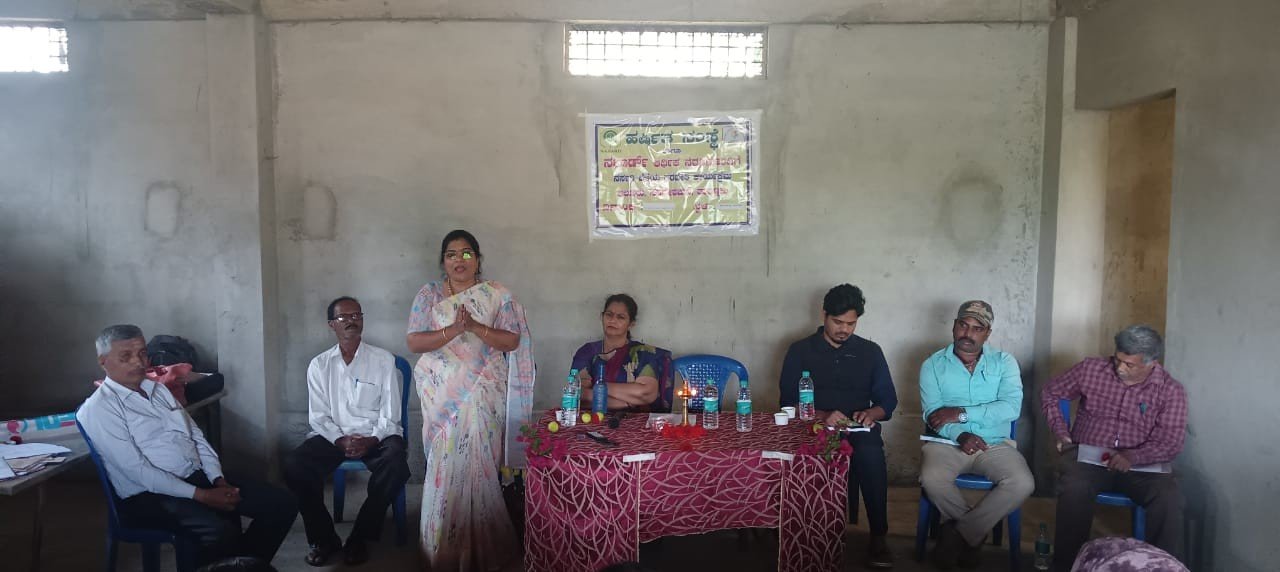
As per the program guidelines, the organization held discussions with NABARD DDM, Mr. V.G. Bhatt, Hassan District, submitted the acceptance letter, and initiated the selection of trainees from existing SHGs. A total of 38 SHGs with 90 women members were selected from three blocks of Hassan District—Alur, Sakaleshapura, and Hassan. The program included six days of intensive training, one day of exposure visit, and a refresher session.

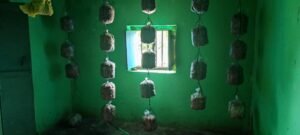
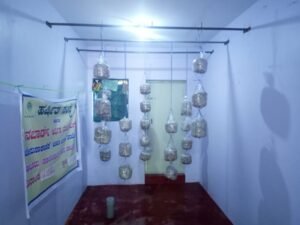
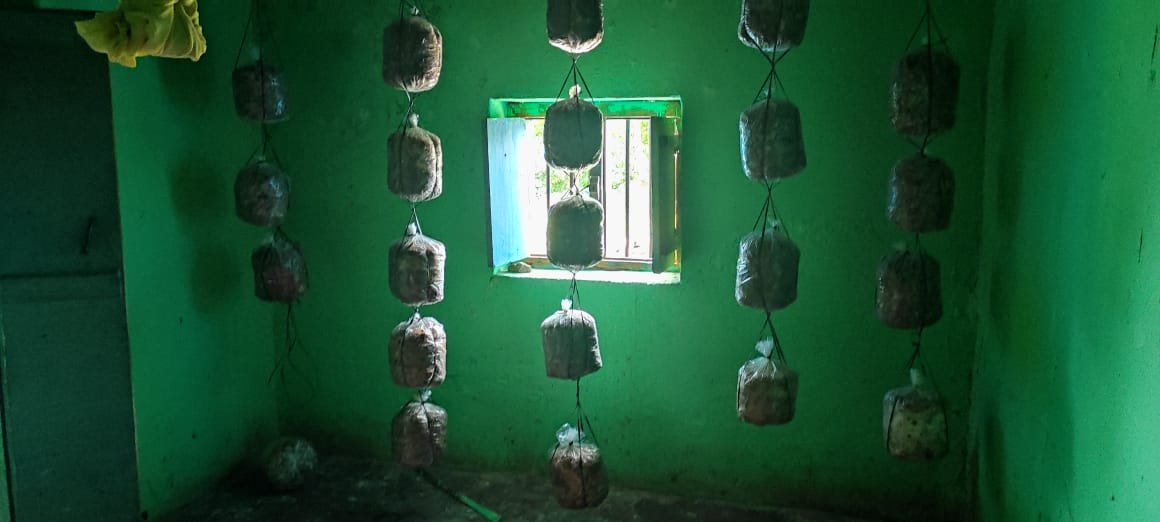
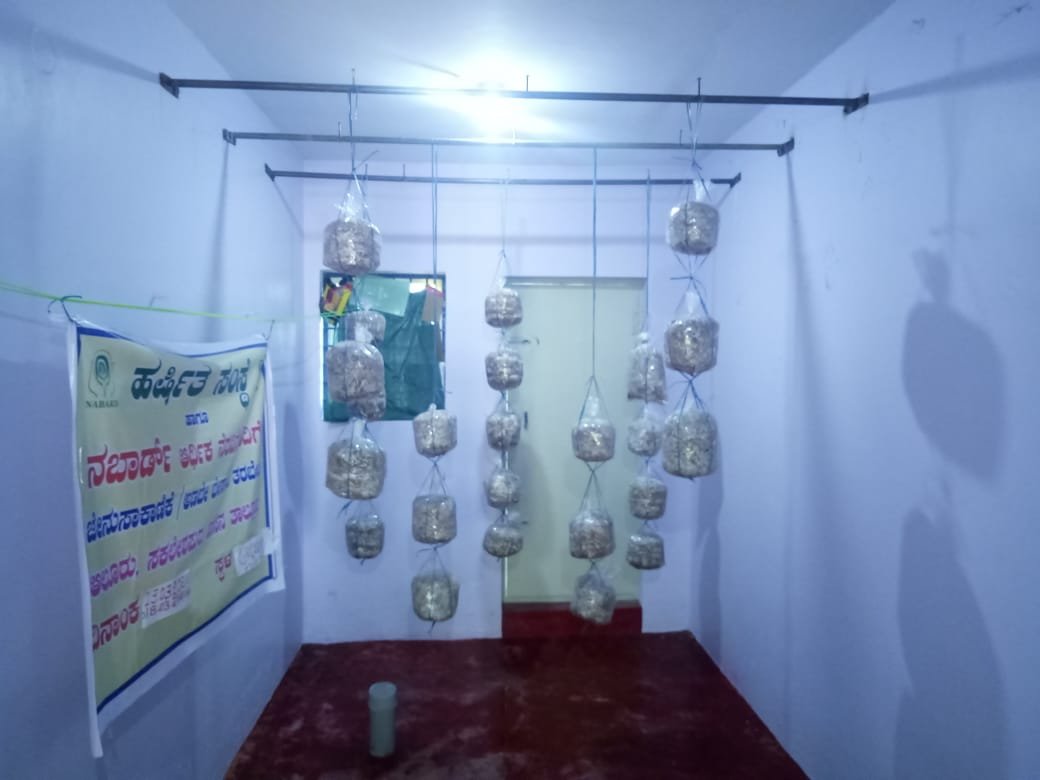
The training was conducted in compliance with sanction terms, following strict COVID-19 safety measures such as mask-wearing, sanitization, and social distancing. The program focused on Beekeeping and Mushroom Cultivation, conducted between 27-02-2021 and 24-04-2021 across the three blocks. Sessions were delivered by experts and covered both theoretical knowledge and practical demonstrations.

Participants were trained in identifying bee habitats, safely collecting bees, extracting and purifying honey, as well as purchasing mushroom seeds, preparing the substrate, and cultivating mushrooms. The program proved highly useful, equipping women with practical livelihood skills. Participants were assured of continued follow-up support from Harsita Alur NGO for a period of one year.

NABARD provided financial assistance to implement the training, including a stipend of ₹50 per day for each trainee, as per program guidelines.

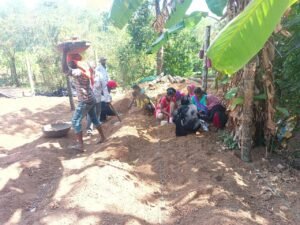
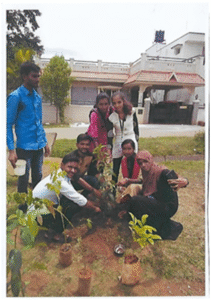
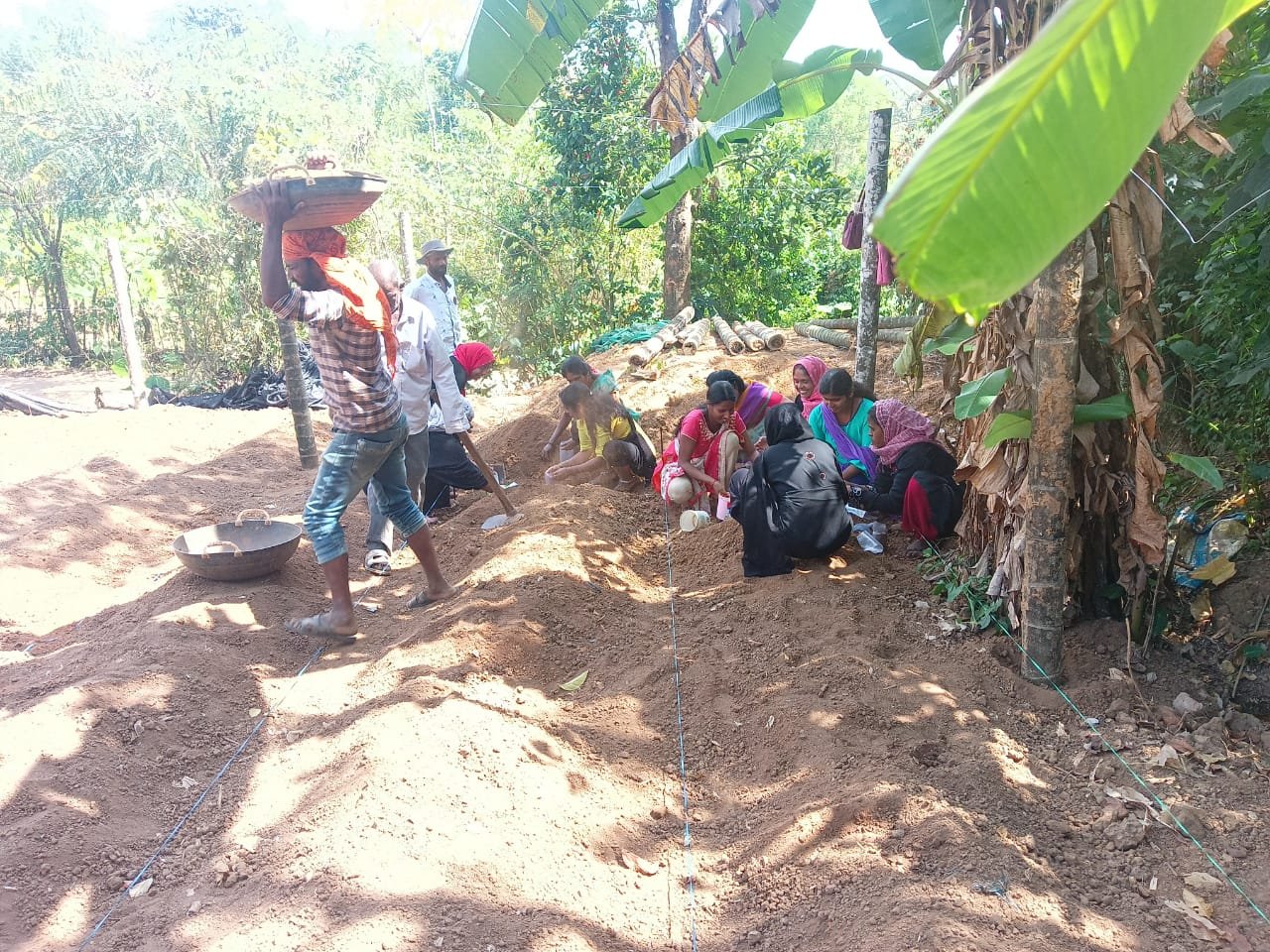
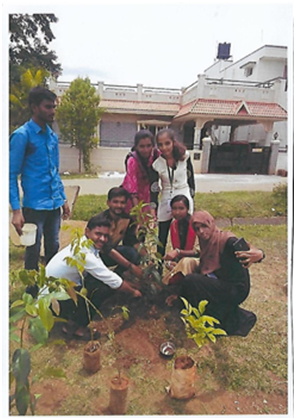
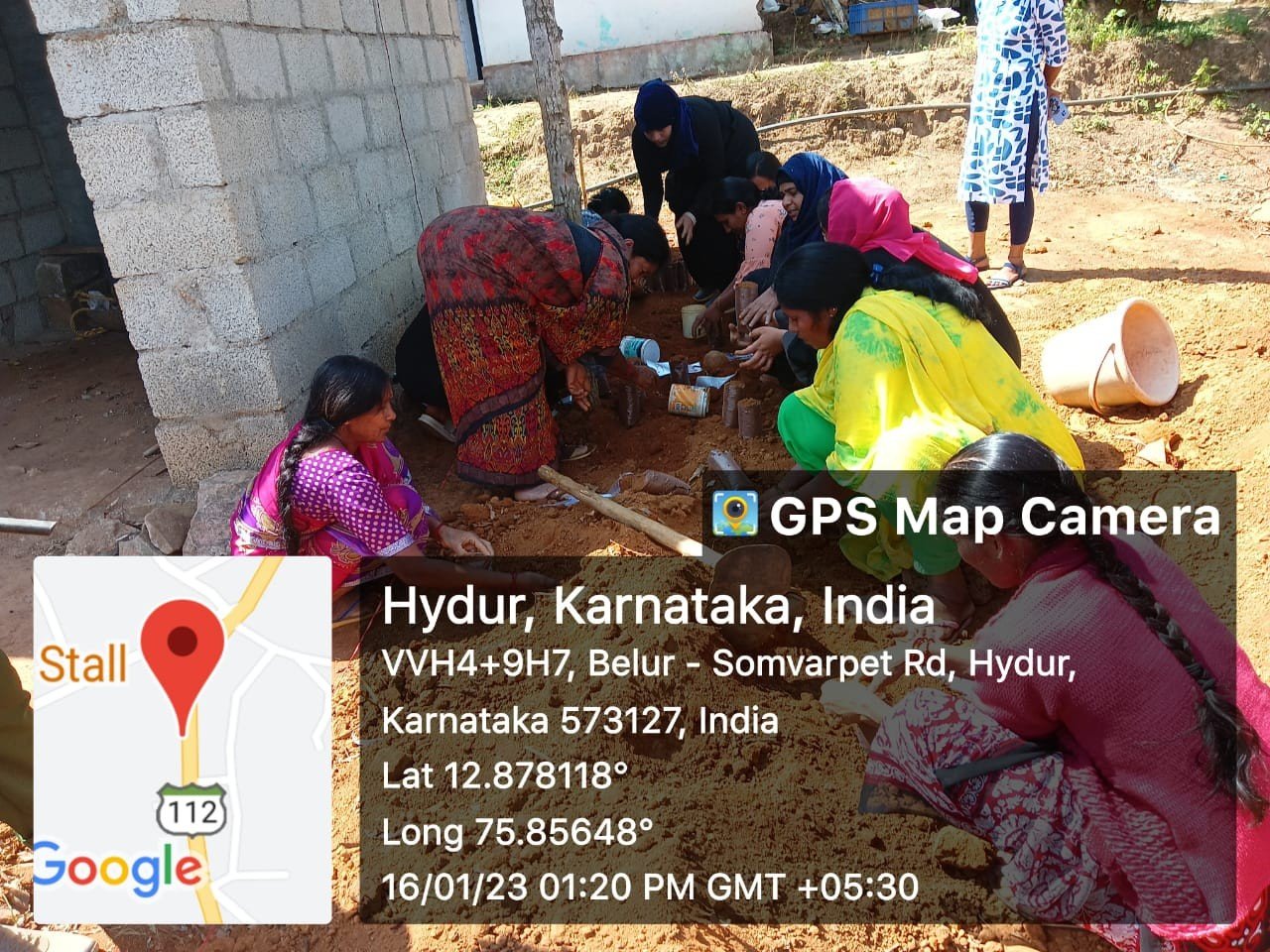
HARSITA ALUR YOJANE (Hassanamba Rural Skill in Industries Training Association) implemented an MEDP training program in the Horticulture/Forestry sector focused on Plant Nursery management in Hassan District. The program was designed for SHG women members interested in starting nursery activities. The objective was to empower women by providing skill-oriented training along with financial support through local banks and financial institutions, thereby contributing to the economic upliftment of SHG families.

As part of this initiative, we planned and conducted one MEDP Plant Nursery Training Program for 30 SHG women members in Alur Taluk, Hassan District. The participants were carefully selected from various functional Self-Help Groups, with 30 women trained in each batch.

Navigation