

Fashion Designing & Apparel Designing Training – Alur Taluk, Hassan District
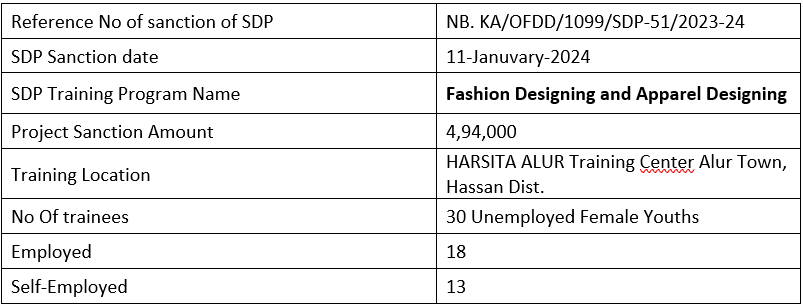
The organization, in collaboration with NABARD, implemented a Skill Development Program (SDP) to empower unemployed rural women in Alur Taluk, Hassan District. The program was developed in consultation with NABARD DDM, Mrs. Malini Suvarna, and aimed to provide specialized training in Fashion Designing and Apparel Designing.
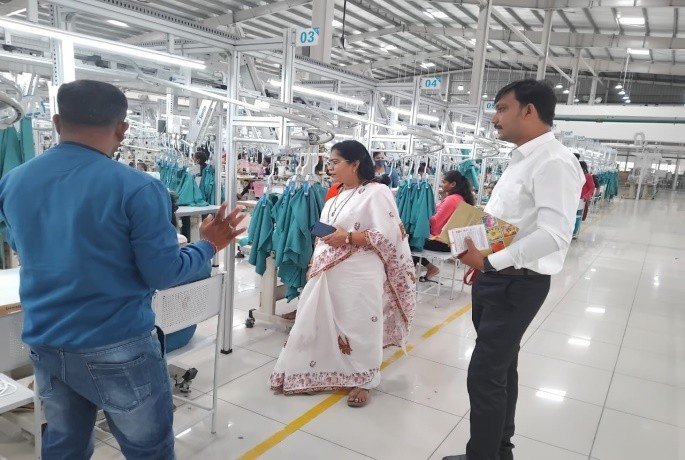
Hassan District hosts several established garment industries such as Himatsingka, AHP Apparel Pvt. Ltd., Jockey, Modry Trend Garments, Arvind Garments, and Bhairava Garments, where most of the work is carried out by rural women. However, due to a shortage of skilled local staff, companies often recruit workers from outside the state. With proper training, local women could readily secure employment and self-employment opportunities. It is estimated that garment industries in Hassan require 500–600 skilled tailors every month, creating a strong demand for this initiative.
On 11th January 2024, NABARD sanctioned the Skill Development Training Program under HARSITA ALUR YOJANE at its Alur branch office. The program targeted rural female candidates aged 18–35 years from families living below the poverty line.
A Project Implementation and Monitoring Committee (PIMC) was formed as per NABARD guidelines, comprising the DDM, LDM/Local Bank Managers, program coordinators, and TOT trainers. Each batch consisted of 30 unemployed youth women, selected through a transparent process involving application forms, ID verification (Aadhar, voter ID, ration card), and personal interviews with the candidates and their parents.
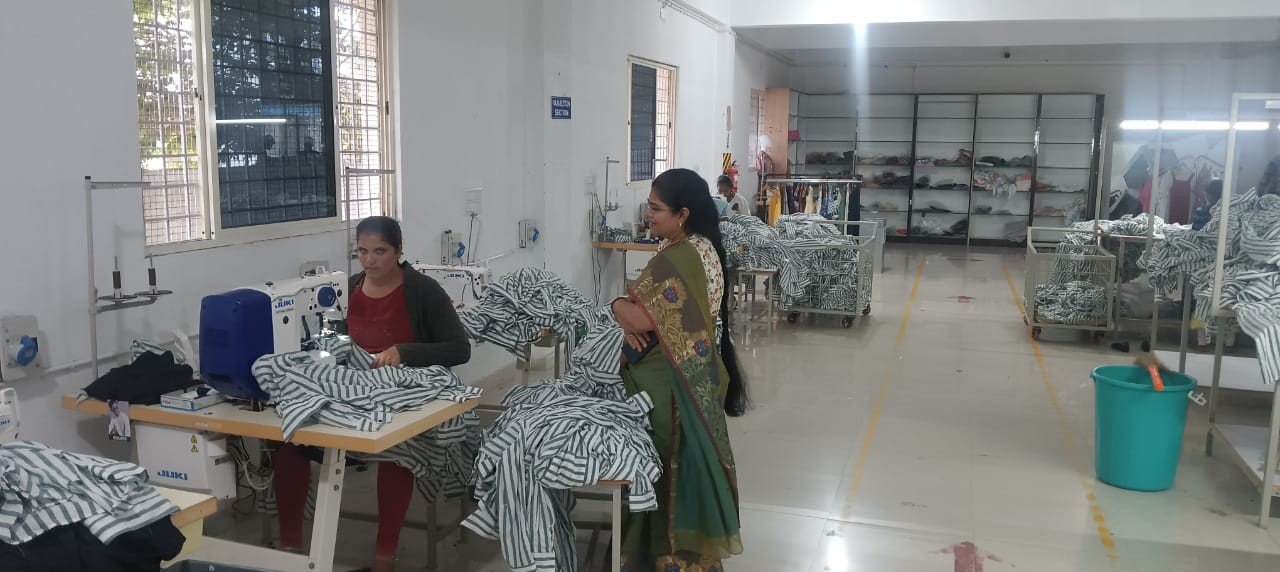
The organization ensured quality facilities including a well-equipped training center, classrooms, toilets, safe drinking water, biometric attendance, and CCTV monitoring.
The program was inaugurated on 17th January 2024 by MLA Mr. Cement Manju, who motivated participants to attend regularly and seize employment opportunities. NABARD DDM Mrs. Malini Suvarna inspired the trainees with insights into garment-related skills such as Jeans stitching, Lambani embroidery, luxury fashion, and zari designs. Senior Manager of Himatsingka Linens, Mr. Gururaj Rao, highlighted the employment potential in garment industries after successful training.
President of HARSITA, Mr. Nanjappashetty, emphasized training rules, discipline, and the scope for self-employment.
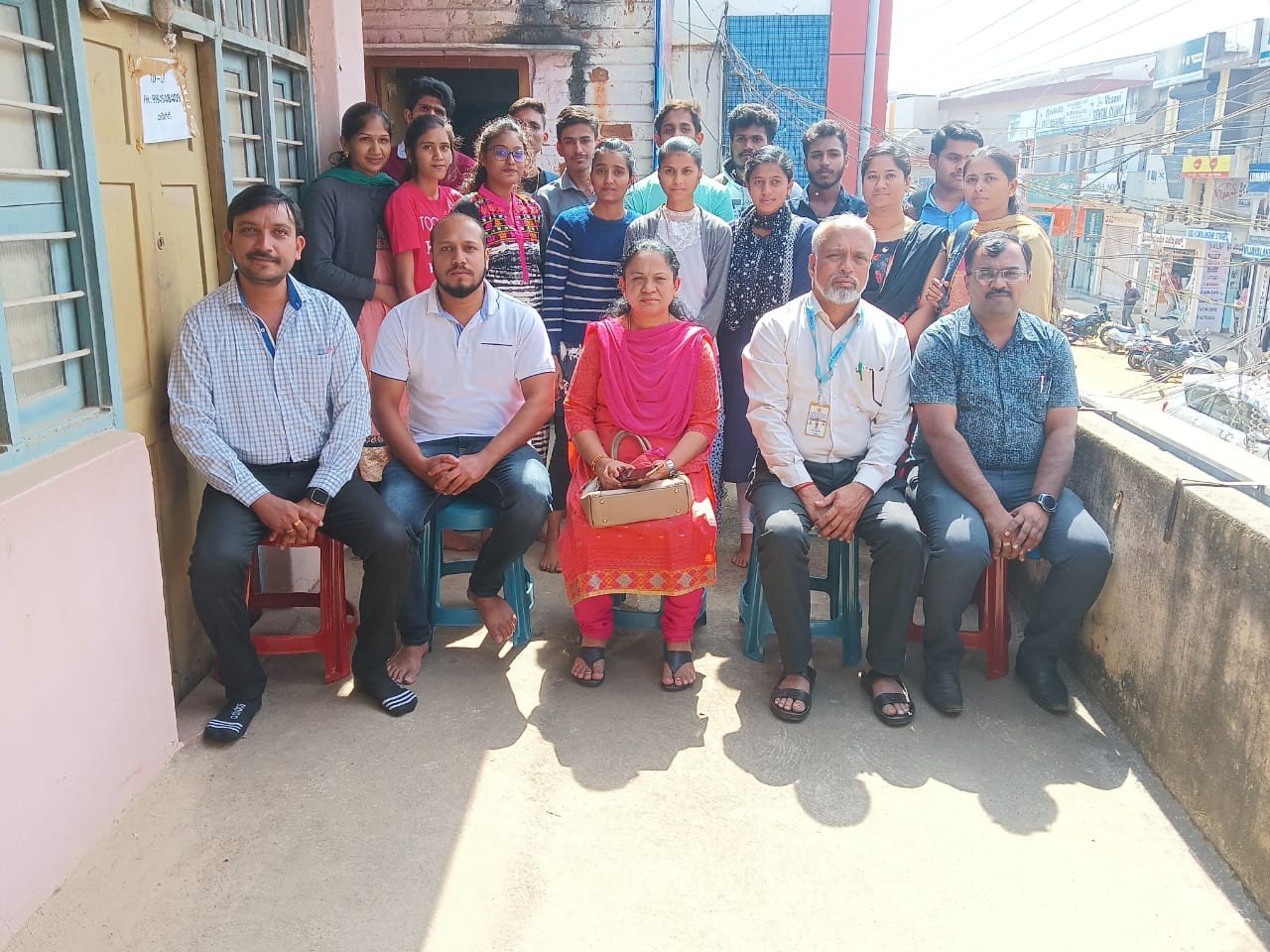
A total of 35 trainees were initially enrolled, and 30 successfully completed the training program.
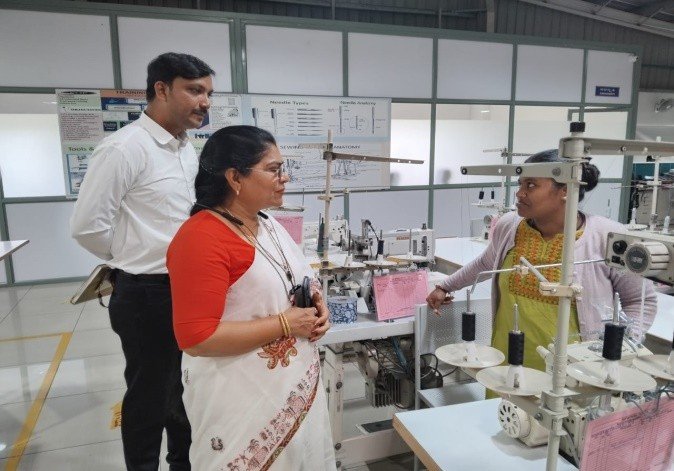
NABARD DDM visited twice a month, monitoring progress and providing guidance on modern garment designs and entrepreneurial opportunities.
Trainees received financial literacy sessions, including awareness on Pradhan Mantri Jeevan Jyoti Bima Yojana (PMJJBY) and Pradhan Mantri Suraksha Bima Yojana (PMSBY). As a result, 21 trainees enrolled in these schemes for social security coverage.
Trainees gained both theoretical and practical knowledge in apparel designing, making them industry-ready.
HARSITA NGO will continue to support and monitor trainees for the next two years, ensuring that they actively pursue fashion designing and entrepreneurship. NABARD DDM also committed to regular follow-ups with the NGO and trainees to track settlement and livelihood outcomes.
This initiative has opened new pathways for employment, self-reliance, and economic upliftment for rural women in Hassan District, while also addressing the skill gap in the local garment industry.
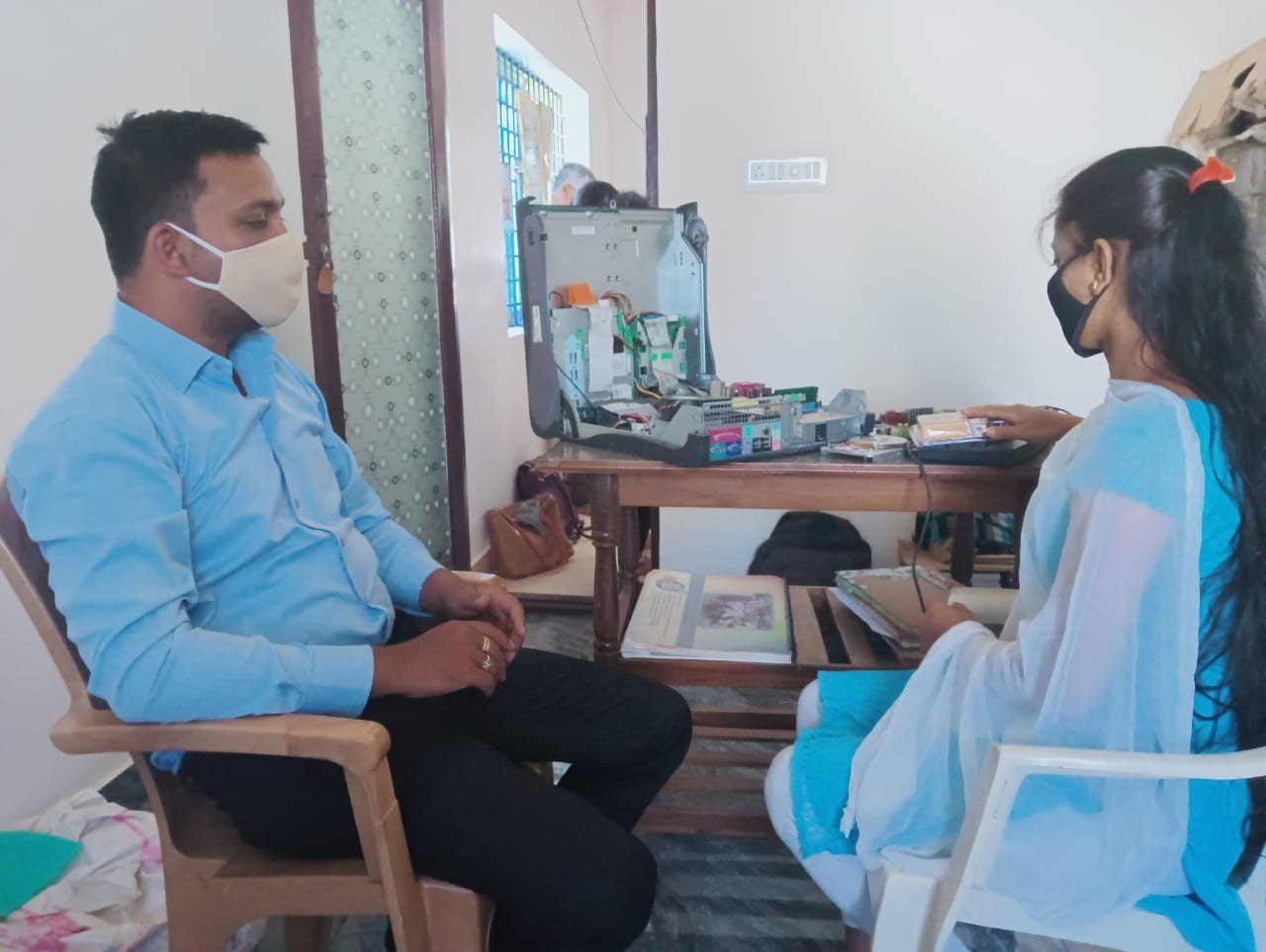
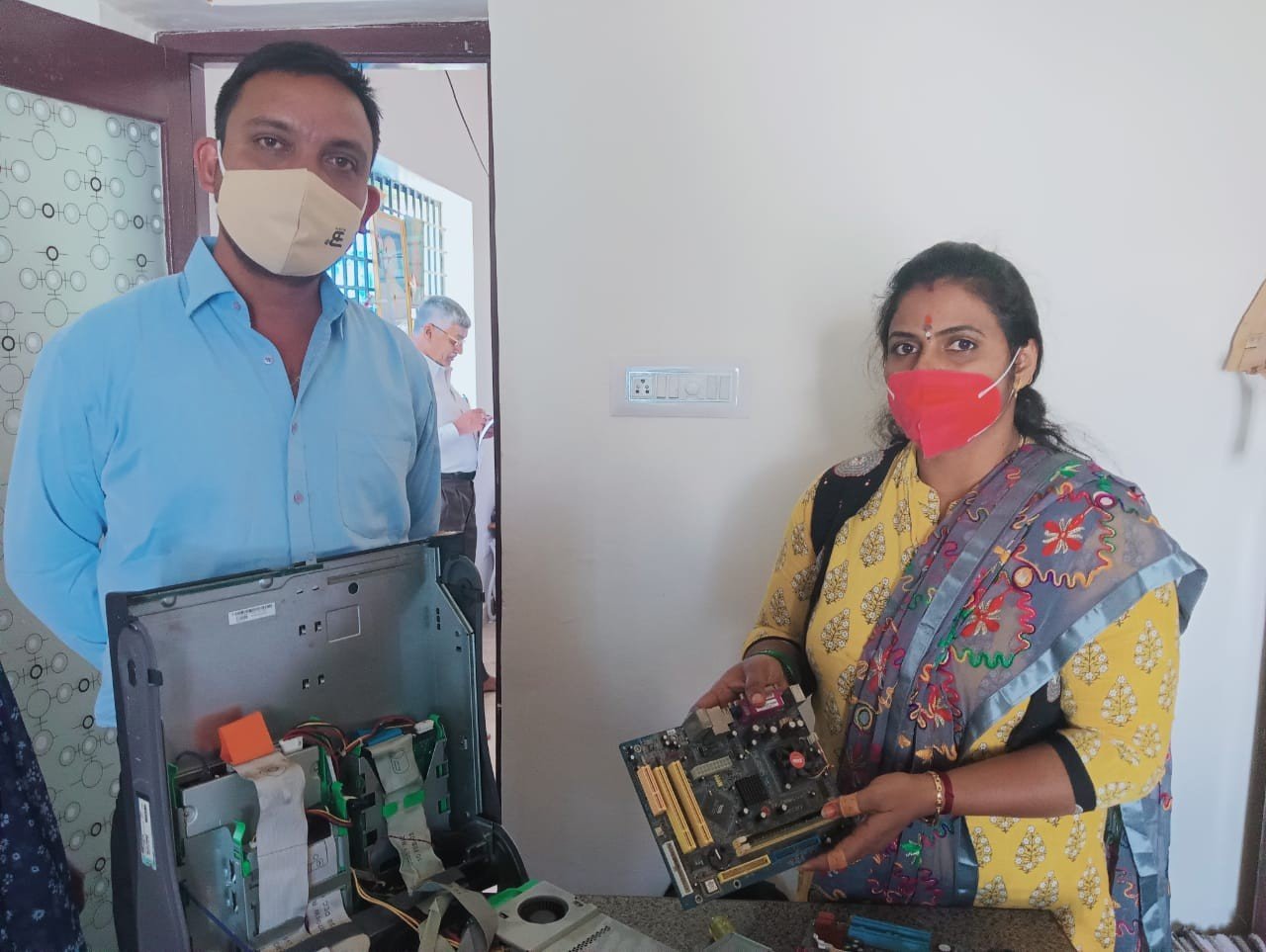
The organization, in partnership with the Karnataka Skill Development Corporation under the Kaushalya Karnataka scheme and Siddeswara InfoTech, launched a skill-oriented Computer Hardware Training Course for rural youth who had completed PUC. The 3-month program began on 27/12/2021 in Alur Block, with 30 candidates (both male and female) selected from different villages.
The training primarily focused on computer hardware skills, addressing a critical gap in local service availability and creating new livelihood opportunities. Building on this initiative, the organization also plans to expand skill development programs in embroidery, food processing, coffee bud furniture making, and coconut fibre mat production to further empower rural communities with diverse income-generating skills.
Many educated youth are unable to access employment opportunities across various sectors. While some have not completed specialized courses, others who have completed them still lack practical exposure. Although they possess basic skills such as time management, communication, writing, planning, and designing, it is essential to further strengthen their technical expertise, managerial abilities, and field-based knowledge to help them adapt to diverse circumstances and become employable.
Copyright © 2025-26 Harsita Alur Yojane. All Rights Reserved.
WhatsApp us